
Model Rocket Tube Couplers: Dry-Fit and Joint Checks
Identify the exact coupler, record the kit-defined joint role and keep dry-fit observations separate from bonding instructions. Includes a blank joint record and an Estes pack example.
Side-by-side comparisons of rocket materials

Identify the exact coupler, record the kit-defined joint role and keep dry-fit observations separate from bonding instructions. Includes a blank joint record and an Estes pack example.

Compare epoxy options for fiberglass model rockets using named product data. Learn mix ratios, cure stages, surface prep, and when a bond needs design review.

Compare plywood vs balsa model rocket fins by weight, grain, cutting, and durability. Learn what to check before choosing fin stock for your next build.
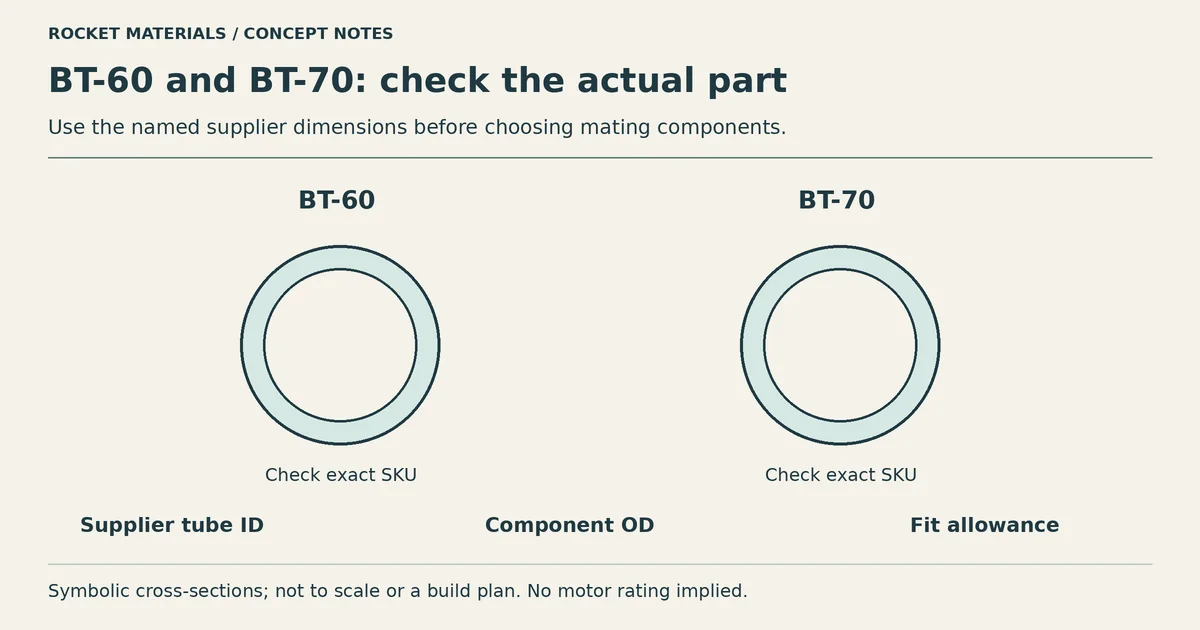
Compare BT-60 vs BT-70 body tube dimensions from named Semroc parts, then check motor mounts, transitions, payload space and recovery before you build.
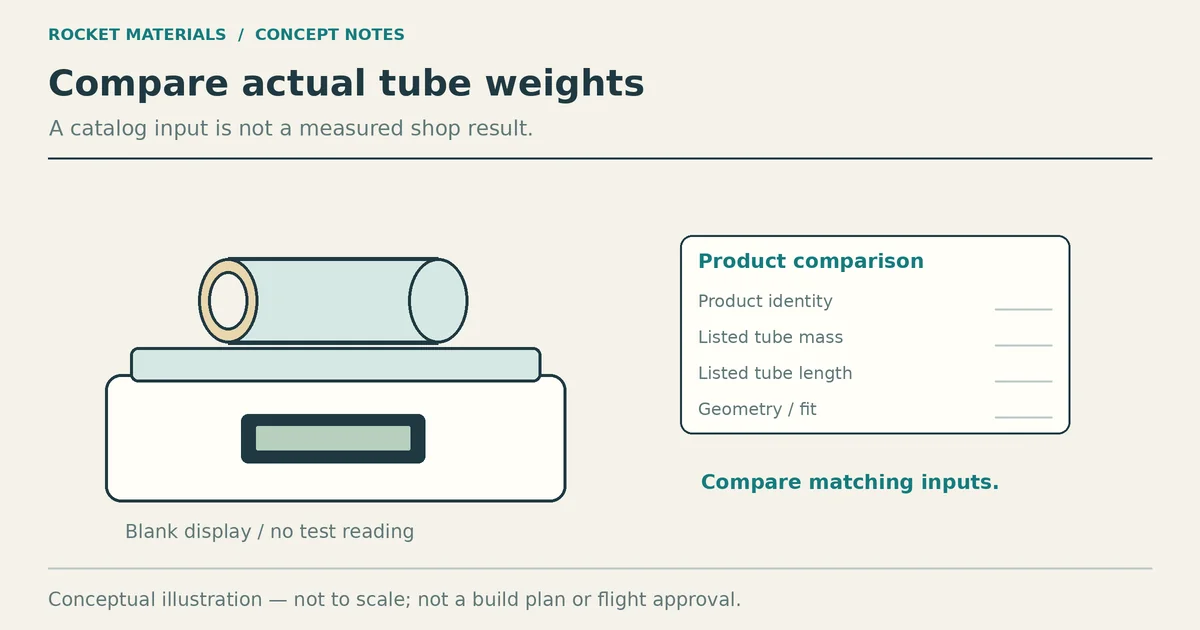
Which model rocket body tube is lightest? Compare supplier-listed weights by diameter, wall and length, then check fit, stability and strength before choosing.
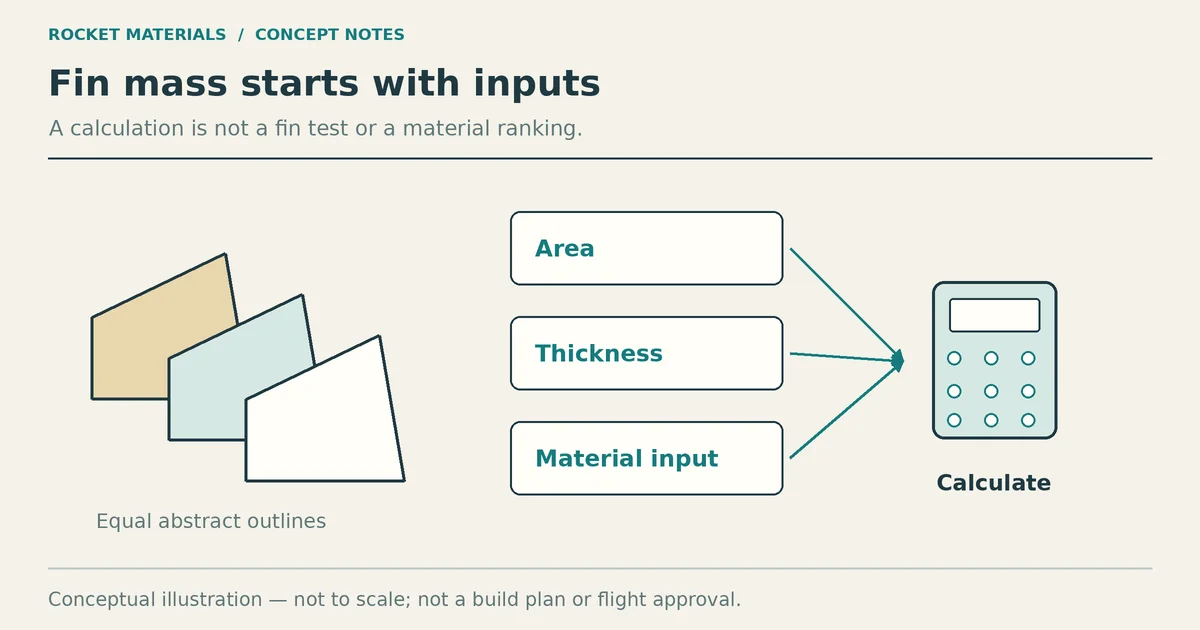
Compare model rocket fin weight from cited balsa, basswood and G-10 densities. Calculate a fin set from area and thickness, then check stability and safety.
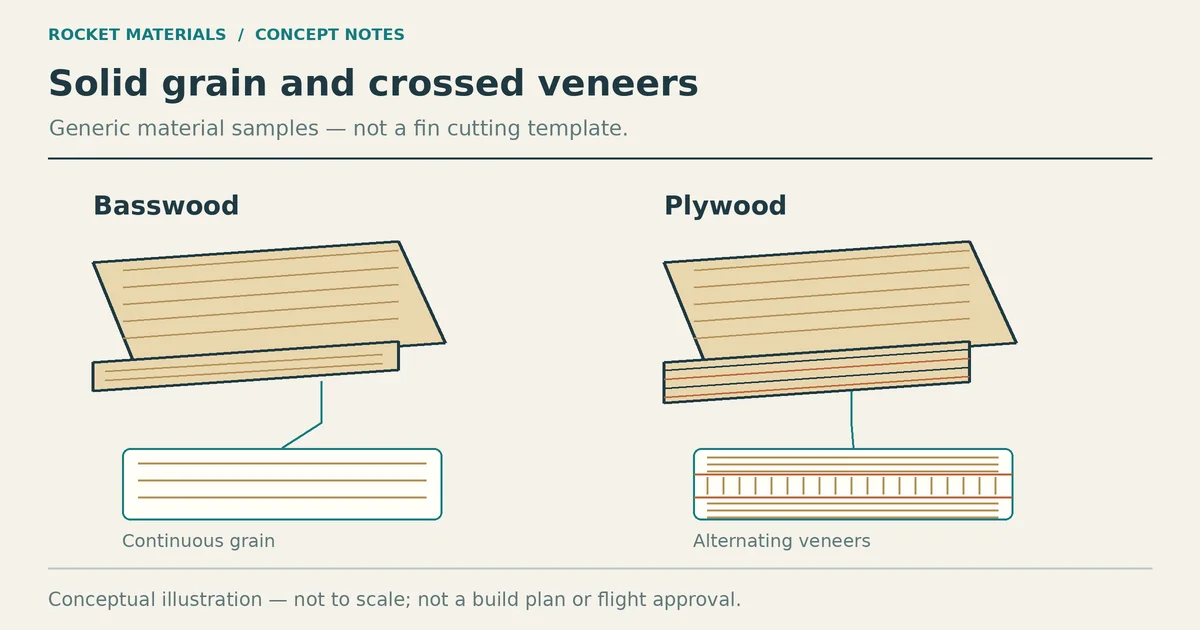
Basswood vs plywood rocket fins: compare grain direction, a transparent four-fin weight example, cutting and finishing, then choose stock for your design.
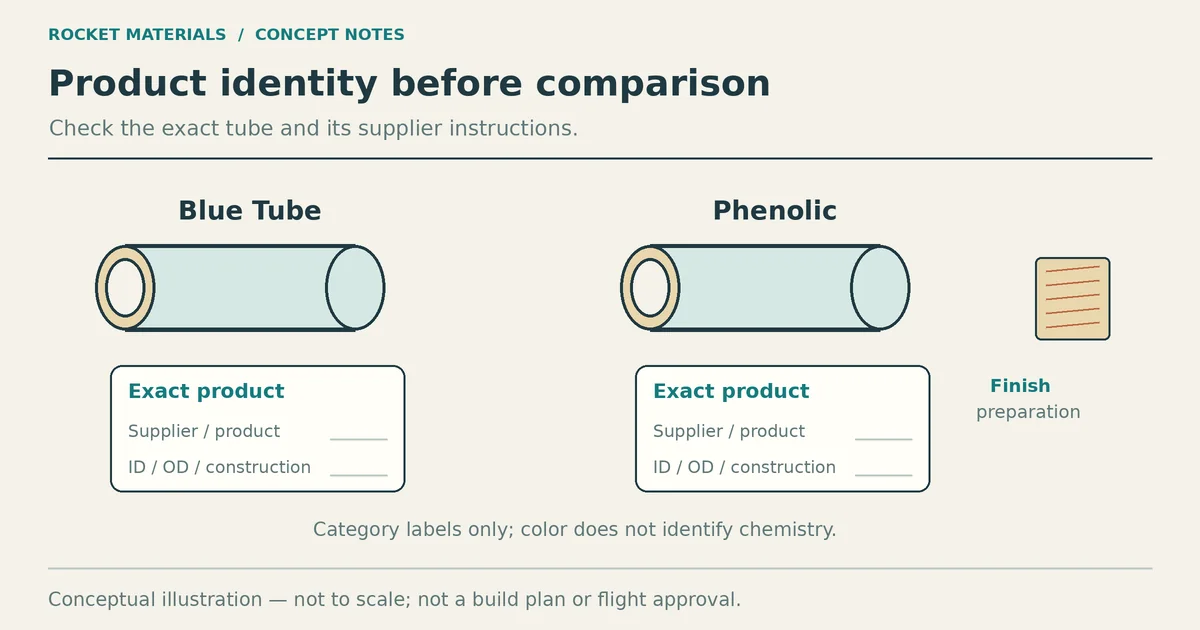
Blue Tube vs phenolic rocket body tubes: compare verified products, fit, finish and impact trade-offs without assuming a motor rating from tube material.

Compare phenolic and fiberglass airframes using supplier dimensions, complete-build loads and certification requirements; neither material has a universal motor rating.

Compare cardboard and fiberglass rocket body tubes by named product, fit, construction and finished mass—not an invented motor-class cutoff.